Stage 32 Screenwriting Lab: Write Your Female-Driven Feature Film Script In 8 Weeks



Other education that may be of interest to you:

TV Writing 101
Learn The Fundamentals Of Writing For Television With A Literary Manager Who Recently Staffed Clients On SINGLE DRUNK FEMALE, GINNY & GEORGIA, P-VALLEY, GROWN-ISH, HACKS, UPSHAWS, and more! Last year, a record number of 559 original scripted shows aired on broadcast, cable, and streaming television. From Succession and The Morning Show to Ted Lasso and Abbott Elementary, the most successful TV shows can capture a generation of fans and generate cultural conversations. And every show started with a great pilot script that launched the series. Television pilot structure can be complex but there are several principles that should always be followed. Writers who dream of that coveted “Created By” credit must first develop a sellable concept and compelling characters, then tell a self-contained story in either thirty or sixty minutes that sets up a larger story with an engine strong enough to carry it for multiple seasons. In this exclusive 4-part Stage 32 on-demand class, Audrey Knox, a literary manager at The Cartel, will teach you all of the basic steps required to write a strong TV pilot script so that you can flourish as a TV writer. Audrey has recently staffed her writers on series such as SINGLE DRUNK FEMALE, GINNY & GEORGIA, P-VALLEY, GROWN-ISH, HACKS, UPSHAWS, and more. Whether your goal is to write a pilot script that sells or to write a sample that gets you staffed in the writers’ room of a TV show, the first step is to learn the basics of writing a TV pilot. Many showrunners only give your script five pages before deciding whether you’re worth hiring, and thousands of writers attempt to get their foot in the door in Hollywood every year. Knowing the challenges new television writers face when starting out in TV is essential for building a writing process and knowledge base that helps you overcome them. This class is ideal for feature or novel writers that are looking to write their first TV pilot, TV writers who are looking to take their pilot writing skills to the next level, and new writers who are looking for how to start writing for TV. Praise for Audrey's Teaching: "I can't say enough good things about Audrey. She cares about helping her students and provides very valuable information. I wish she was MY manager!" --Sam R. "I didn't realize how much should go into reaching out to reps until I took this class from Audrey. I was doing it all wrong!" -- Morgan B. "Audrey is one of the best teachers on Stage 32. I can't recommend learning from her enough." -- Sydney M.
How To Write A Query Letter That Gets You Past The Gatekeepers
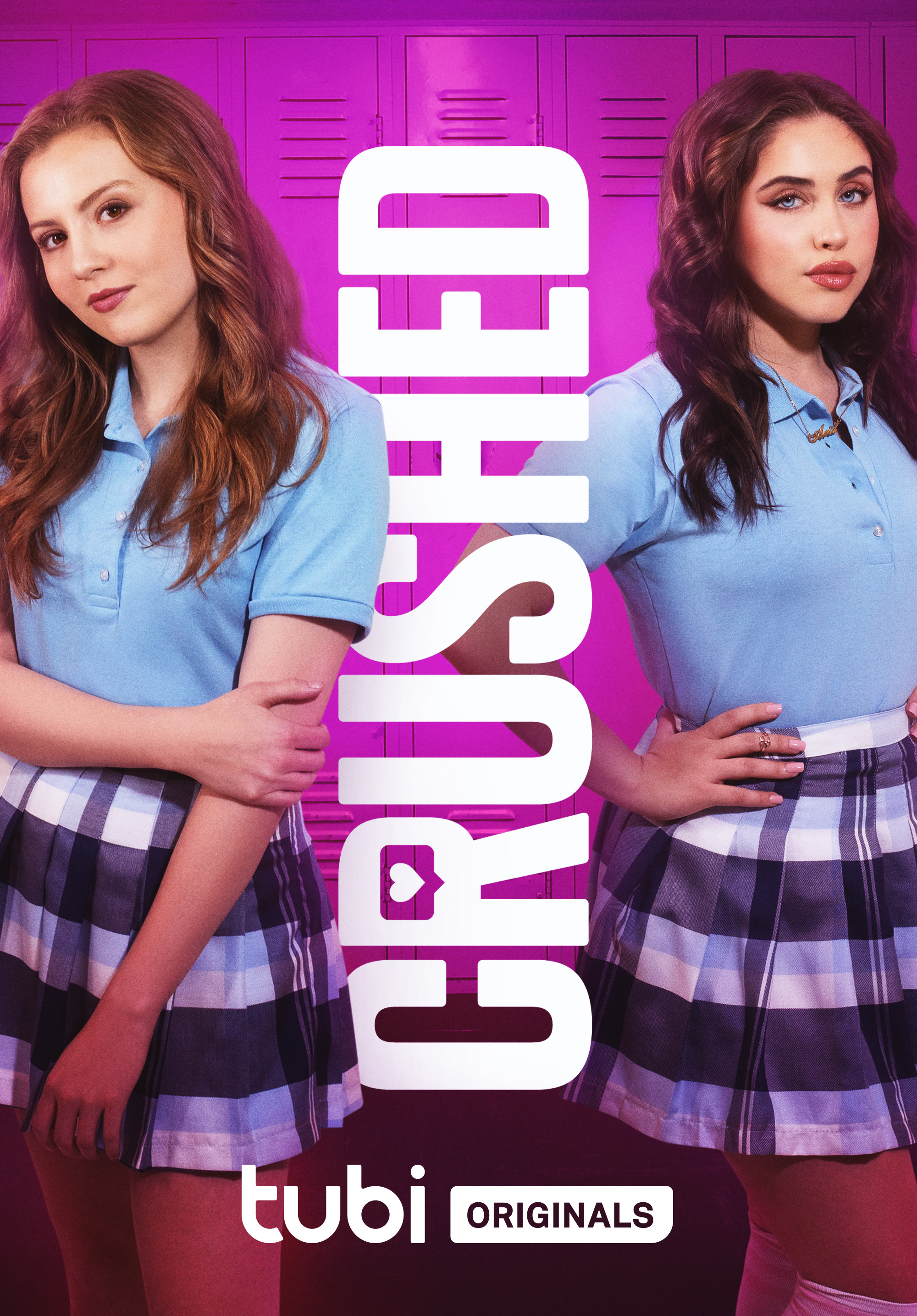
Learn how to write a query letter that makes people take notice of you and your script so that you can make connections, get repped, and launch your career! Your script is ready. You have a killer logline and an impressive bio. So, why isn’t anyone responding to your query letter? The truth is managers and agents are inundated with daily emails from hopeful writers looking to get their scripts into the right hands. These are “cold queries,” where writers reach out to industry professionals or "gatekeepers," hoping the executive will want to read their script or even meet. Most of the time, these queries are dismissed or ignored, and sometimes can harm your ability to build a relationship with an executive. However, a select few will cut through the clutter and gain attention. So how do you break through? In this exclusive Stage 32 on-demand webinar, you’ll learn what managers are looking for from your query letter, how to find the people to contact, and how to ultimately grab their attention so you can move your career forward. Showing you exactly what representatives want to see in your query letter is Audrey Knox of The Cartel, a full-service management and production company. Audrey has built a successful roster of screenwriting clients who have written for shows including SINGLE DRUNK FEMALE, GINNY & GEORGIA, P-VALLEY, and THE GOLDBERGS, and are writing projects for Netflix, Nickelodeon, Apple TV+, and more. She recently found her client, Heidi Lux, through Stage 32 and produced Heidi’s feature film CRUSHED, which premiered on Tubi this year. Audrey will also show you examples of successful query letters and will provide you with the best format and formula in a handout to keep and use in your future query letters. Don’t miss out on your chance to learn exactly what literary managers are looking for from one of the best in the business! Praise for Audrey's Teaching: "I can't say enough good things about Audrey. She cares about helping her students and provides very valuable information. I wish she was MY manager!" --Sam R. "I didn't realize how much should go into reaching out to reps until I took this class from Audrey. I was doing it all wrong!" -- Morgan B. "Audrey is one of the best teachers on Stage 32. I can't recommend learning from her enough." -- Sydney M.
Stage 32 Screenwriting Class: How to Better Approach and Sign With a Literary Manager to Advance Your Screenwriting Career - With a Query and Writing Sample Workshop
Learn how to approach managers the right way to get the representation you need to further your career from a literary manager at The Cartel, with clients on IT'S ALWAYS SUNNY IN PHILADELPHIA, THE UPSHAWS, LUCIFER, and more! All writers think they have the next great screenplay or series. And maybe you do! But to get the proper feedback, get the script into market shape, and have a confidant on the business side of your pursuits to get your work out there, having a great manager who's plugged in can make all the difference. It’s your manager who often is the key to getting in front of execs, getting staffed on a TV show, and building your career to writing full-time. But as most writers can attest, finding a manager can be HARD. That doesn’t mean it’s impossible, though. It’s more in your power than you may think. Most managers will tell you that most newer writers make the same mistakes when looking for a manager that can prevent them from ultimately finding representation. The good news is that these mistakes are easily avoidable and can be replaced with effective strategies and actions that can greatly help your chances. It’s time to hear from a successful literary manager herself on how she finds clients and what you can do to find the representation you need for your own career. Audrey Knox is a TV literary manager at The Cartel, a premiere management company with clients on shows including the Emmy-nominated IT’S ALWAYS SUNNY IN PHILADELPHIA, Golden Globe winning CALIFORNICATION, THE VAMPIRE DIARIES, BONES, LUCIFER, HAPPY!, BLACK LIGHTNING, STAR TREK: DISCOVERY, and more. For years, Audrey has been helping clients get their work in front of execs and networks and most recently staffed one of her clients on THE UPSHAWS for Netflix. As an established and successful literary manager, Audrey has seen more than her fair share of queries and writing samples and has met her fair share of hungry writers. She knows very well what mistakes most writers make and how the writers she ends up working with find success. And now she’s going to lay it all out for the Stage 32 community. In a special and exclusive 2-part on-demand class, Audrey will give you the tools you need and the strategies you’ve been lacking to put your best foot forward and better your chances of getting a great literary manager for your own screenwriting or TV writing career. In the first session, Audrey will walk you through how to approach managers the right way and explain the proper approach to query letters, writing samples, bios, and loglines. She even dissects brave volunteers’ own query letters and writing samples. After laying out this approach, Audrey will leave you to put these skills to use and actually reach out to managers on your own! The second session will discuss how the new approach worked and then dive into next steps you can take as a writer once you have an interested manager, including signing, how to be a good client that your manager will want to keep on board, and the other members of your team you may or may not need, like agents and lawyers. If you’ve been struggling to find representation, there are likely things you can be doing differently to better your chances. here’s no one better than Audrey to help you adjust your approach and ultimately get the representation you’re looking for. Praise for Audrey's Teaching: "I can't say enough good things about Audrey. She cares about helping her students and provides very valuable information. I wish she was MY manager!" --Sam R. "I didn't realize how much should go into reaching out to reps until I took this class from Audrey. I was doing it all wrong!" -- Morgan B. "Audrey is one of the best teachers on Stage 32. I can't recommend learning from her enough." -- Sydney M.

A Modern Approach: Creative Ways to Base Your Film or TV Project Off of IP
Intellectual property (IP) has become a critical aspect in creating new content and selling projects within the film and television landscape. At this point it’s almost feels like a prerequisite for a project to be tied to some sort of pre-existing property before it’s picked up by a studio or network. Whether it’s a book, graphic novel, podcast, article, life rights, or anything else, IP can give executives the confidence they need to move forward with that next show or movie. After all, with IP, they have a working blueprint of how the finished product could look, they have a built-in audience with the fans of the original property, and they have something substantial to show talent, investors, and the higher-ups looking at the bottom line. This inclination towards IP can make it harder for you as a writer or filmmaker to sell a fully original project, but at the same time it can give you opportunities to better build, package, and sell your next project. If you can find and acquire exciting new IP, you’re going to have a distinct upper-hand in getting people to notice your project and are well on your way to it actually getting made. There’s no denying the value of IP in today’s industry, but navigating this world can take some finesse. If you’re not in the business of constantly tracking and consuming new books and media, it might be hard to come across that property that is perfectly suited to you. And even if you find that standout book or article, how do you get the rights to it in the first place? How can you get that original author to trust you? For the writers and filmmakers not interested in adapting existing material, creating your own IP could be an effective solution, but what does that even mean? Those who are understanding and embracing this new concept of creating your own IP have a major competitive advantage in selling their scripts right now. It’s high time you learn what you need to know about IP in today’s climate. Alex Creasia is a literary manager and producer at Pathfinder Media where he represents writers and directors around the globe, focusing on all formats of TV, film, books, podcasts and digital media. He has sold multiple properties for his clients based on all different types of IP to places like Netflix, Amazon, HBO, ABC, Freeform, Disney +, Marvel, MGM, Imagine Entertainment, AGBO, Facebook Watch, Snap, and more. Alex has become an innovator when it comes to sourcing and creating IP for scripts that big companies want to buy. Alex will teach you all the ins and outs of finding and obtaining intellectual property to position your next project for success. He will begin by giving a rundown of what IP is and the three typical types seen in entertainment. He’ll then provide you with specific and helpful tips to find available IP that’s right for you and what to do if it turns out the property you’re after is unavailable. He’ll then discuss idea of creating your own IP in order to better sell your story as a film or series and how to enhance your IP by finding it a following in order to give it more clout and notice. Finally Alex will delve into the world of life rights and the different ways you can get permission to tell a real person’s story.You will have plenty of fresh, modern and unique IP options to make your project more marketable in today’s climate. Praise for Alex's Webinar: "Informative! A good presentation!" -Susan D. "This gave me so many ideas of how to get my current project noticed" -Regina G. "Alex made something I always thought of as scary and impossible feel easy and achievable. I'm so glad I saw this" -Jeff E. "I feel totally inspired to find my own IP now. Thanks, Alex!" -Jose G.

How You Can Become A Development Executive In Entertainment
How you can land the coveted role of Development Executive at a streamer, studio or network from an executive who's worked with HBO, Paramount, Hallmark, and more! PLUS! You'll receive exclusive handouts to help you get ahead in your job search. Who picks what scripts get produced and become your favorite films and television shows? This role belongs to the Development Executive. The best development executives know how to spot a great script or book that can become a successful film or TV show. They nurture relationships with top talent. They shepherd projects from inception through development and into production managing the creative process while keeping the business side on track. It's all about finding and connecting the right people and helping mold a great script and package that companies want to make and audiences want to see. In this exclusive Stage 32 on-demand webinar, you’ll see exactly what being a development executive is all about and how you can land this creative and often lucrative position through both traditional and non-traditional routes. This webinar will flatten your learning curve and get you closer to stepping onto the development executive ladder. You’ll cover everything from how to find scripts to giving notes to landing the development jobs themselves. Your host, Kelly Edwards, is a former HBO executive who teaches a top-tier leadership program for creative executives, and now she’s sharing her fantastic insight on how to be a development executive with you. Kelly has worked with every major studio and her new book, THE EXECUTIVE CHAIR: A WRITER’S GUIDE TO TV SERIES DEVELOPMENT is a bestseller available in stores and online. She’s also responsible for the success of LIVING SINGLE, GIRLFRIENDS, CLUELESS, MALCOLM IN THE MIDDLE, and a host of other television series. In addition to Kelly’s incredible knowledge, she’s providing you with sample coverage, a list of ways to get your foot in the door, a sample resume, and more. When you’ve finished your webinar with Kelly, you’ll know what it takes to be a successful development executive and how people in the industry land these coveted positions. Put yourself ahead of the competition in your job hunt by snagging a spot with Kelly today. PRAISE FOR KELLY'S WORK AND EDUCATION: "Candid, witty, and extremely knowledgeable, she gets straight to the point which is so helpful for everyone - it’s a masters class on the business and TV in particular." -- Rona Edwards, writer/producer and author of l Liked It, Didn’t Love It (Screenplay Development from the Inside Out) "One word -- AMAZING! Kelly left our entire group feeling newly inspired not only about their writing but also about living their best selves. We will definitely be having her back!" -- Lynelle W. (TV writer, BLACK LIGHTNING, Z NATION, ARMY WIVES) "Kelly delivers an essential guide to necessary skills that every writer needs to successfully navigate the entertainment industry. She is a fantastic, knowledgeable presenter who will help you step up your career game." -- Katherine Craft, writer

Make Your Animated Series or Film a Reality by Working With an Overseas Studio
Animation is one of the few types of productions that hasn’t slowed down or halted due to the pandemic. Since it’s possible for the bulk of the work of animated films and television to be completed from home or while socially distanced, animation has been flourishing as more players are turning to this format. With these ongoing changes in animated film and television production and financing, it’s now more important than ever to develop solid relationships to get into animation, and especially with overseas animation studios to successfully produce your own animated project. The truth is you’ll be hard-pressed to find many animated projects that are fully financed and produced in America. In fact, well over half of the work of most animated projects is done overseas, and that number is only rising as the industry continues to change. Working with overseas company is the norm and something that might be necessary if you are working towards producing your own animated project. Yet there’s more to gain in working with companies overseas than simply avoiding being left behind. Working with other countries opens the door for better tax breaks and lower cost and overhead. Going global might be the best step you can take in making your animated project a reality, but it requires a deep understanding of how this pipeline works and how to get your foot in the door. Mike Disa is the director of the hit Netflix series PARADISE PD and has been in the animation industry for over twenty-five years. Mike found success working with studios such as Dreamworks, Disney, Warner Bros., Paramount, and many others. Over a fascinating career, Mike has worked with some of the greatest and most infamous people in Hollywood including Steven Spielberg, Eric Goldberg, Ralph Bakshi, Glenn Close, Steve Oedekerk, David Tennant, Amy Poehler, Adam Sandler, Jeffery Katzenberg and Roy Disney. A favorite and fixture among the Stage 32 community, Mike has directed and produced movies and television with over a dozen overseas partners and wants to tell you how it's done. Mike Disa will walk you through the why and how of producing your animated project with an overseas company to best position it for success. He’ll begin by explaining the three basic models of animation production and how each works within a global pipeline. He’ll then explain why you should work with an overseas animation company and will outline both the benefits and negatives of doing this. He’ll then give you tools in how to best start a relationship with an overseas company and explain the difference between an overseas company, an overseas company with American offices and an American company with overseas offices. Next, Mike will explain how financing works with overseas companies and what these companies are looking for in an American partner. He’ll then delve into how the crash of movie theaters has affected the overseas markets and partnerships. Next he will focus on the impact Netflix animation has had on the industry as a whole and address the question “is everything bad Netflix’s fault?” Mike will teach you about how ownerships and participation work when working with overseas animation companies and will delve into why Chinese and Indian money is different than other money. Finally he will spend time explaining the problems Brexit is causing and how you can navigate these issues. Through covering these topics, Mike will give you a thorough blueprint of how to think and work globally and give your animated project success. Praise for Mike's Stage 32 Webinar: It was really advanced stuff, and great advice. I appreciate that he was willing to stick around as long as he did to answer questions. -Shari E. I loved the wealth of content and Mike's humor. -Prema R. "Amazing" - Nilfredith S. Loved the host and the webinar! Mike’s knowledge is sound and extensive. His vision for what’s happening now and what we are to expect in the future is brilliant. I could listen to him forever. -Jane D.
 Register / Log In
