THE STAGE 32 LOGLINES
Post your loglines. Get and give feedback.

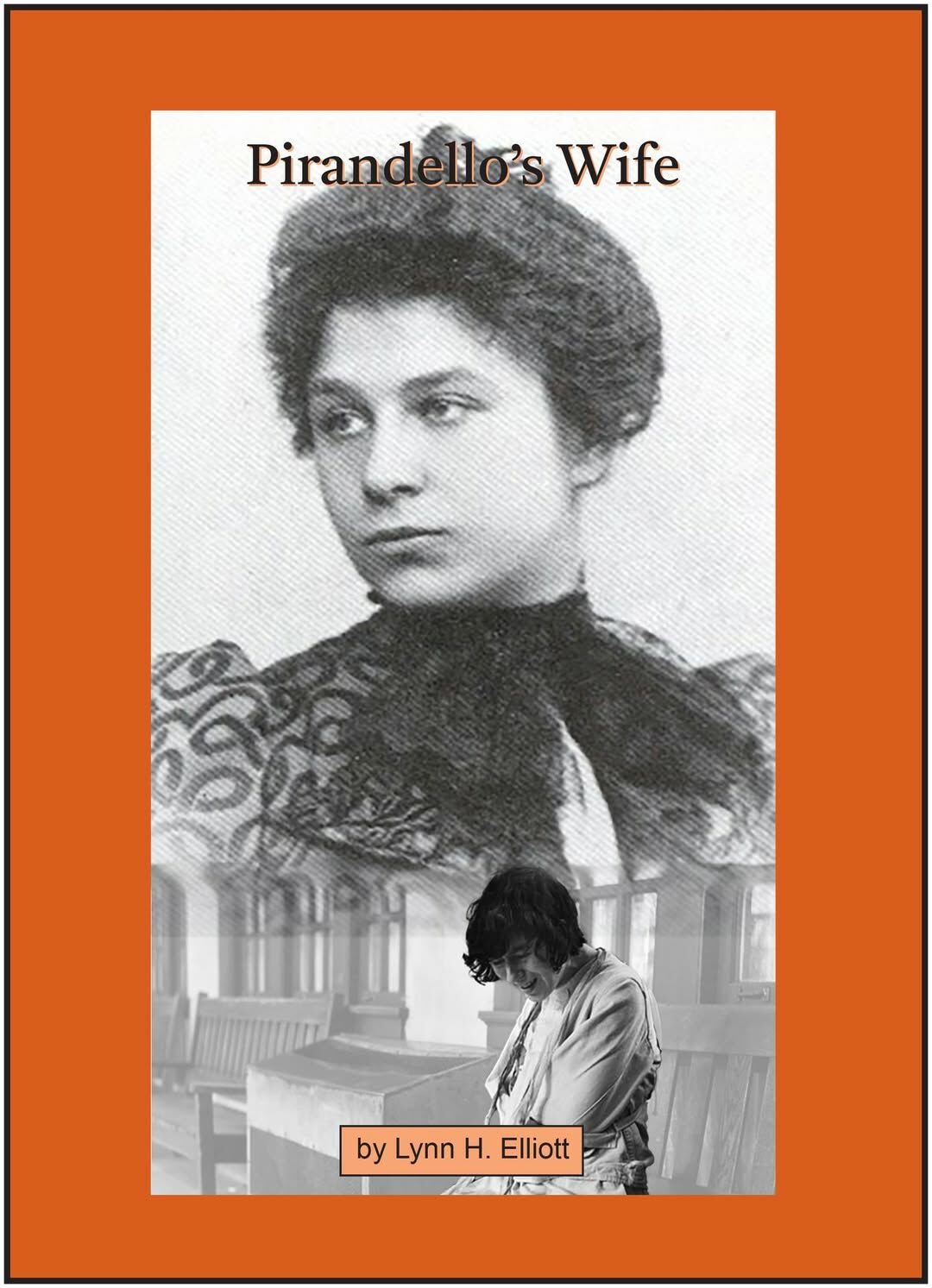
PIRANDELLO'S WIFE
By Lynn H. Elliott
Quiet, passive, obedient, a wonderful mother to her children and perfect wife to her Nobel Prize winning husband. Then, when it was time, she was locked away in an insane asylum for the final 40 years of her life. Here, she attempts to tell her story.
SYNOPSIS:
All decisions in Antonietta Pirandello/ Portulano’s life are made by men. Her marriage is determined by her father, future husband, and father-in-law. She is silent. Her substantial dowry frees her husband to write—in Rome, far from her family and friends in Sicily. A bad investment by her father-in-law leaves her and her husband penniless. Her husband teaches in an all-girls school. He receives romantic notes from his female students. She finds them. He continues to write, meeting with actors and actresses to develop his plays. One particularly beautiful young actress, Marta Abba, he calls his muse.
And what of her? A figure shifting noiselessly in the background. A wife who endures three difficult childbirths, the last of which paralyzes her for several months. As she attends to home and children, she grows increasingly suspicious of her husband's infidelity.
Those concerns are ignored. Instead, her husband accuses her of “gelosia suprema" (excessive jealousy) a genetic trait supposedly inherited from her father. “Nature” wins out over “nurture.” As a result, she spends the last forty years of her life in an asylum for the insane.
Here, in the asylum, she attempts to write a drama of her story: the lived-life experiences of a relegated and marginalized woman. But the bombastic, self-important Direttore of the Institution supports and demands “her little drama” reflect the more the positive image of her husband and the continued marginalization of his wife. The Direttore writes another script. The result is confusion: a joyous, farcical disintegration—with serious and deadly consequences.
 Register / Log In
