Stage 32 Screenwriting Lab: Write Your Female-Driven Feature Film Script In 8 Weeks



Other education that may be of interest to you:

TV Writing 101
Learn The Fundamentals Of Writing For Television With A Literary Manager Who Recently Staffed Clients On SINGLE DRUNK FEMALE, GINNY & GEORGIA, P-VALLEY, GROWN-ISH, HACKS, UPSHAWS, and more! Last year, a record number of 559 original scripted shows aired on broadcast, cable, and streaming television. From Succession and The Morning Show to Ted Lasso and Abbott Elementary, the most successful TV shows can capture a generation of fans and generate cultural conversations. And every show started with a great pilot script that launched the series. Television pilot structure can be complex but there are several principles that should always be followed. Writers who dream of that coveted “Created By” credit must first develop a sellable concept and compelling characters, then tell a self-contained story in either thirty or sixty minutes that sets up a larger story with an engine strong enough to carry it for multiple seasons. In this exclusive 4-part Stage 32 on-demand class, Audrey Knox, a literary manager at The Cartel, will teach you all of the basic steps required to write a strong TV pilot script so that you can flourish as a TV writer. Audrey has recently staffed her writers on series such as SINGLE DRUNK FEMALE, GINNY & GEORGIA, P-VALLEY, GROWN-ISH, HACKS, UPSHAWS, and more. Whether your goal is to write a pilot script that sells or to write a sample that gets you staffed in the writers’ room of a TV show, the first step is to learn the basics of writing a TV pilot. Many showrunners only give your script five pages before deciding whether you’re worth hiring, and thousands of writers attempt to get their foot in the door in Hollywood every year. Knowing the challenges new television writers face when starting out in TV is essential for building a writing process and knowledge base that helps you overcome them. This class is ideal for feature or novel writers that are looking to write their first TV pilot, TV writers who are looking to take their pilot writing skills to the next level, and new writers who are looking for how to start writing for TV. Praise for Audrey's Teaching: "I can't say enough good things about Audrey. She cares about helping her students and provides very valuable information. I wish she was MY manager!" --Sam R. "I didn't realize how much should go into reaching out to reps until I took this class from Audrey. I was doing it all wrong!" -- Morgan B. "Audrey is one of the best teachers on Stage 32. I can't recommend learning from her enough." -- Sydney M.
Stage 32 Screenwriting Class: How to Better Approach and Sign With a Literary Manager to Advance Your Screenwriting Career - With a Query and Writing Sample Workshop
Learn how to approach managers the right way to get the representation you need to further your career from a literary manager at The Cartel, with clients on IT'S ALWAYS SUNNY IN PHILADELPHIA, THE UPSHAWS, LUCIFER, and more! All writers think they have the next great screenplay or series. And maybe you do! But to get the proper feedback, get the script into market shape, and have a confidant on the business side of your pursuits to get your work out there, having a great manager who's plugged in can make all the difference. It’s your manager who often is the key to getting in front of execs, getting staffed on a TV show, and building your career to writing full-time. But as most writers can attest, finding a manager can be HARD. That doesn’t mean it’s impossible, though. It’s more in your power than you may think. Most managers will tell you that most newer writers make the same mistakes when looking for a manager that can prevent them from ultimately finding representation. The good news is that these mistakes are easily avoidable and can be replaced with effective strategies and actions that can greatly help your chances. It’s time to hear from a successful literary manager herself on how she finds clients and what you can do to find the representation you need for your own career. Audrey Knox is a TV literary manager at The Cartel, a premiere management company with clients on shows including the Emmy-nominated IT’S ALWAYS SUNNY IN PHILADELPHIA, Golden Globe winning CALIFORNICATION, THE VAMPIRE DIARIES, BONES, LUCIFER, HAPPY!, BLACK LIGHTNING, STAR TREK: DISCOVERY, and more. For years, Audrey has been helping clients get their work in front of execs and networks and most recently staffed one of her clients on THE UPSHAWS for Netflix. As an established and successful literary manager, Audrey has seen more than her fair share of queries and writing samples and has met her fair share of hungry writers. She knows very well what mistakes most writers make and how the writers she ends up working with find success. And now she’s going to lay it all out for the Stage 32 community. In a special and exclusive 2-part on-demand class, Audrey will give you the tools you need and the strategies you’ve been lacking to put your best foot forward and better your chances of getting a great literary manager for your own screenwriting or TV writing career. In the first session, Audrey will walk you through how to approach managers the right way and explain the proper approach to query letters, writing samples, bios, and loglines. She even dissects brave volunteers’ own query letters and writing samples. After laying out this approach, Audrey will leave you to put these skills to use and actually reach out to managers on your own! The second session will discuss how the new approach worked and then dive into next steps you can take as a writer once you have an interested manager, including signing, how to be a good client that your manager will want to keep on board, and the other members of your team you may or may not need, like agents and lawyers. If you’ve been struggling to find representation, there are likely things you can be doing differently to better your chances. here’s no one better than Audrey to help you adjust your approach and ultimately get the representation you’re looking for. Praise for Audrey's Teaching: "I can't say enough good things about Audrey. She cares about helping her students and provides very valuable information. I wish she was MY manager!" --Sam R. "I didn't realize how much should go into reaching out to reps until I took this class from Audrey. I was doing it all wrong!" -- Morgan B. "Audrey is one of the best teachers on Stage 32. I can't recommend learning from her enough." -- Sydney M.
How To Write A Query Letter That Gets You Past The Gatekeepers
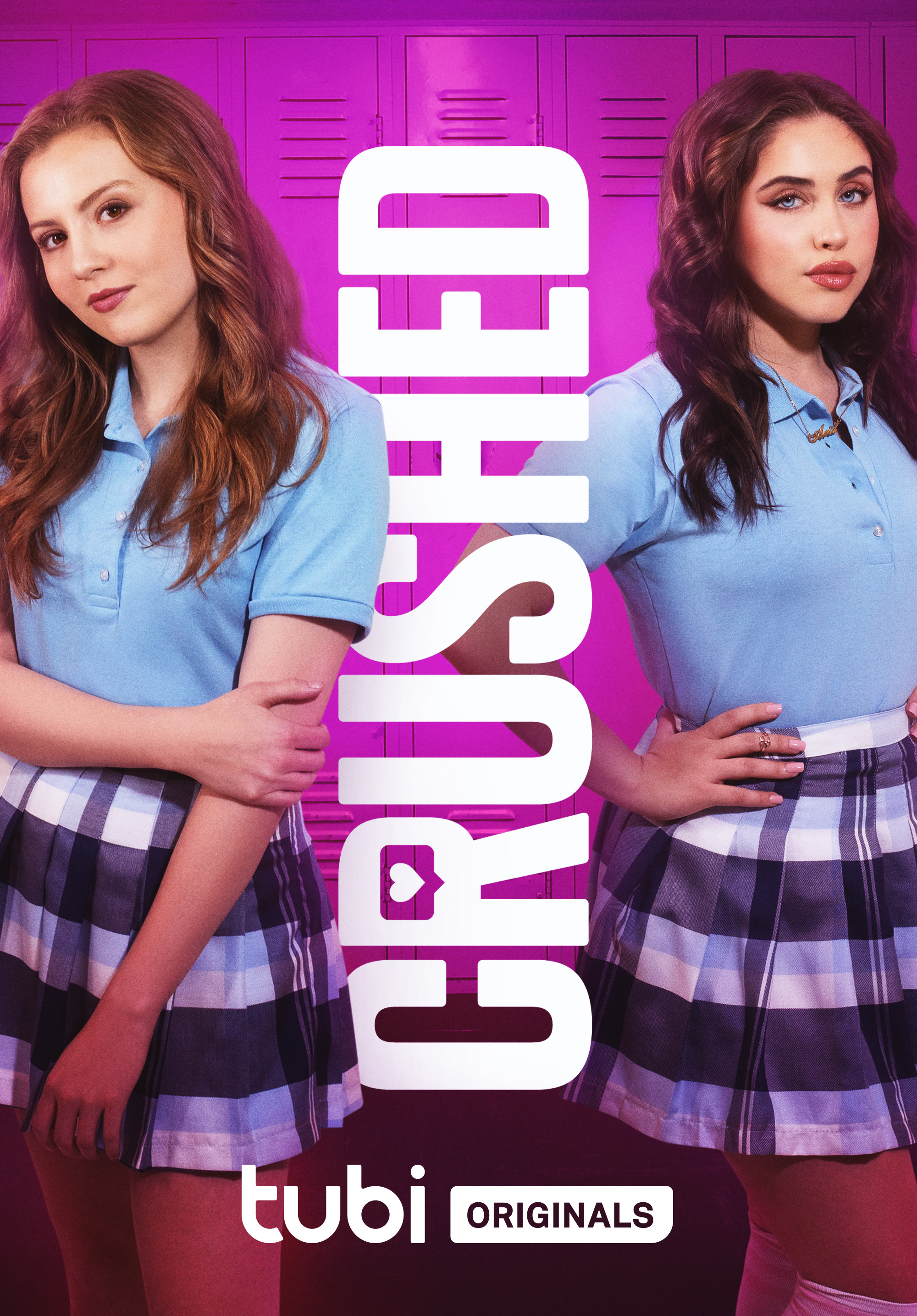
Learn how to write a query letter that makes people take notice of you and your script so that you can make connections, get repped, and launch your career! Your script is ready. You have a killer logline and an impressive bio. So, why isn’t anyone responding to your query letter? The truth is managers and agents are inundated with daily emails from hopeful writers looking to get their scripts into the right hands. These are “cold queries,” where writers reach out to industry professionals or "gatekeepers," hoping the executive will want to read their script or even meet. Most of the time, these queries are dismissed or ignored, and sometimes can harm your ability to build a relationship with an executive. However, a select few will cut through the clutter and gain attention. So how do you break through? In this exclusive Stage 32 on-demand webinar, you’ll learn what managers are looking for from your query letter, how to find the people to contact, and how to ultimately grab their attention so you can move your career forward. Showing you exactly what representatives want to see in your query letter is Audrey Knox of The Cartel, a full-service management and production company. Audrey has built a successful roster of screenwriting clients who have written for shows including SINGLE DRUNK FEMALE, GINNY & GEORGIA, P-VALLEY, and THE GOLDBERGS, and are writing projects for Netflix, Nickelodeon, Apple TV+, and more. She recently found her client, Heidi Lux, through Stage 32 and produced Heidi’s feature film CRUSHED, which premiered on Tubi this year. Audrey will also show you examples of successful query letters and will provide you with the best format and formula in a handout to keep and use in your future query letters. Don’t miss out on your chance to learn exactly what literary managers are looking for from one of the best in the business! Praise for Audrey's Teaching: "I can't say enough good things about Audrey. She cares about helping her students and provides very valuable information. I wish she was MY manager!" --Sam R. "I didn't realize how much should go into reaching out to reps until I took this class from Audrey. I was doing it all wrong!" -- Morgan B. "Audrey is one of the best teachers on Stage 32. I can't recommend learning from her enough." -- Sydney M.

Write Now Webcast - Describe Tools, Mechanisms, Machinerly or Complex Ideas
While the scene will be heavy with exposition, disguise the exposition in dialogue and conflict as much as possible. How does the character make the complex simple? What props does the person use? How does the character who receives the info react?

Avoid Theft: How To Legally Protect Your Script, Idea or Project
Learn From An Entertainment Attorney Whose Done Deals With ABC, NBC, HBO, Bravo and more! In an industry built on storytelling there’s nothing more valuable than ideas. A good idea or good story can take you far in Hollywood, but it also makes you vulnerable. From Avatar to Empire, hundreds of films and television shows have been faced with infringement and idea theft lawsuits over the years. While the film and television industry can be an exciting and supportive place, this is not always the case and it’s more common than it should be for writers’ ideas or stories to be stolen. Without the proper protection and forethought, this can leave creatives at risk. As the saying goes, it’s a jungle out there, and the risk of having your ideas stolen is unfortunately always a possibility, as is the possibility of being accused of doing this yourself. It’s important to always be vigilant and aware of these dangers. Yet this does not mean it’s open season on creators. Whether you’re concerned about having your idea stolen or facing lawsuits of your own, there are important steps you must take to ensure you and your intellectual property remain protected. There will always be a risk of being taken advantage of, but better understanding the dangers as well as how to protect and copyright your work will put you in a much safer and more secure position. Jaia Thomas is an entertainment attorney with over ten years of legal experience who has brokered deals with companies like ABC, NBC, HBO, and Bravo and has been quoted as a legal expert in such publications as The New York Times, USA Today and ESPN. Jaia regularly assists clients with transactional and intellectual property matters and counsels filmmakers and producers on all aspects of film financing, production and distribution. She also regularly assists content creators with federal copyright registration and licensing and has had several works published in the American Bar Association, National Bar Association and multiple law journals. Through her many years specializing in federal copyright registration and licensing, Jaia has become an expert on how creators can keep their projects safe, and is ready to share what she knows exclusively with the Stage 32 community. Drawing from her many years of legal experience successfully assisting filmmakers with transactional and intellectual property matters Jaia will provide you with all the legal tools necessary to protect any and every type of script and screenplay. She will begin by discussing copyright registration. She’ll explain how to register a script with the US copyright office and explain the legal advantages of doing this. She’ll also debunk common misconceptions such as the “Poor Man’s Copyright”. Next she will explain what goes into Writers Guild registration. She’ll outline how to register a script, idea or outline with the Guild and explain the legal advantages and disadvantages of doing so. She’ll also delve into the key distinctions between registering with the US Copyright Office and Writers Guild. Jaia will then go over idea protection and theft. She’ll teach you how to protect a television show or reality show in its idea form and will outline the legal requirements for filing an idea theft claim in New York and California. She’ll even go through a case study of the seminal idea theft court case Desny V. Wilder from 1956. Finally Jaia will provide you with additional precautionary measures you can take in protecting yourself, including mobile apps, digital watermarks, confidentiality agreements and non-disclosure agreements. Expect to leave knowing exactly how to protect your current and future ideas, scripts and projects. Praise for Jaia's Stage 32 Webinar: "Highly informative. Thank you Jaia Thomas!" -Patrick D. "Great webinar with invaluable tips and advice. Great presentation and presenter. Very pleased and satisfied." -Robert F
Making a Film For Under $1MM & How to Come Out Ahead
Learn directly from the Director of Development for Ryan Reynolds' Dark Trick Films! Creating an independent film from scratch is daunting, but immensely rewarding, and can be done with any level of resources. Films under $1MM are especially a sweet spot for many independent filmmakers but certainly come with their sets of challenges. Stage 32 is excited to bring in the development executive for Ryan Reynold's production company Dark Trick Films & TV, Blake Goza, who has spent the last 7 years working projects such as Deadpool, Buried, The Change Up and RIPD. Even though Blake works on some of the most popular films & television of today, it's his personal project - a film entitled Escort - which he made independently for under $1MM that fuels his passion for being a creative. With this webinar, Blake will give you a producer’s perspective on building an independently financed movie, from start to finish, for under one million dollars. Using The Escort as a case study, he will walk you through each stage of the independent process: finding a script, packaging talent, determining a budget, acquiring financing, shooting, post production, and ultimately, distribution. Blake will discuss process specifics, like his decision to attach a sales agent in the early stages of development; what financing options he prefers - the benefits and risks of private equity versus foreign pre-sales; what talent he chose to attach first – the argument for finding your director before making offers to actors; and how to build a release strategy for your film that allows for success as you define it – whether your goal is critical acclaim, commercial exposure, or financial reward, begin with the end in mind, and build a platform that allows you to achieve that goal. If you’ve wanted to produce a film outside of the studio system on a responsible budget, then this class if for you!
 Register / Log In
