THE STAGE 32 LOGLINES
Post your loglines. Get and give feedback.

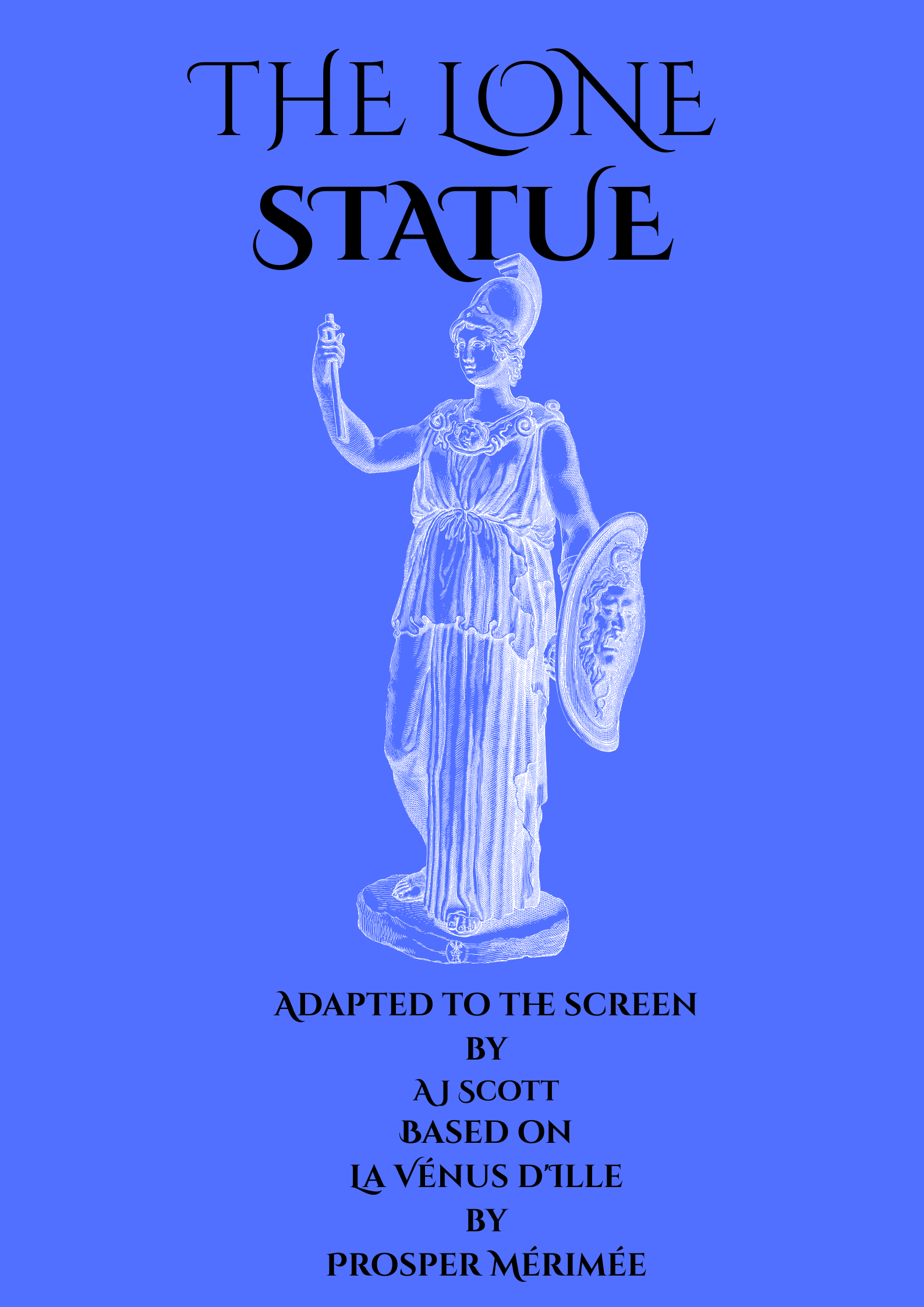
THE LONE STATUE
By Adam Scott
Jules, a lowly commoner gets invited to the wedding of Pickering’s daughter, however, much like everybody else he begins to become just as fascinated about a strange statue as everybody else.
SYNOPSIS:
The film opens in eerie 1890s-style archival footage, shot as if recovered from a decaying reel. A group of labourers dig up a mysterious statue that were buried in the garden of a rich landowner. Excited yet fearful, these labourers continue to unearth the statue until they discover it's true size. All of the labourers end up transfixed by the natural gaze of the mysterious statue.
As the men stare at the statue it seems to stare back, and for a few moments seemingly moves - as if it were momentarily alive. Then, returns to bronze. All of the men tremble over the event nobody should believe.
The story shifts to Jules, a quiet, educated young man and traveller, hiking along the Seven Sisters cliffs with a local guide, a Catalonian with a coarse sense of humour and a storyteller’s flair. Their conversation introduces us to the town and to Pickering — a man of wealth and pride, soon to host a lavish wedding.
As the sun settles, both men talk as they sit down on an overlooking bench. the Catalan recounts the tale of the idol they unearthed — the very statue from the prologue. It was found under a dead olive tree, heavy as a church bell, perfectly formed in bronze. He describes how one of the workers was maimed during the excavation, his leg shattered when the statue toppled unexpectedly.
That very night, Jules attends Pickering’s home — a sprawling country estate filled with relics of antiquity. The atmosphere is part celebration, part museum. Guests flood the halls in fine dress, glasses clinking, laughter echoing under chandeliers. Jules moves among them, an outsider observing the provincial elite at leisure.
Pickering himself is an eccentric collector — a proud, bespectacled man in his sixties with a childlike obsession for historical treasures. Meeting Jules, whom he takes for a scholar, he immediately boasts of his collection and promises to show him something truly unique: his Venus. But not tonight — the reveal, he insists, must wait for morning. He refers to the statue as a 'masterpiece' his wife Bette is as equally fascinated by the idol.
Later, Jules wanders the estate grounds for air. Servants smoke under lantern light; the air is thick with gossip. The statue looms over them.
A weary maid joins Jules on the steps. They discuss philosophy and serve as representation for the class difference for rich or poor.
Later than night, Jules finds himself fascinated still by the statue, despite the grim weather he cannot take his eyes astray. From his perspective the statue always looks as if it were in sorrow.
The following morning weeping can be heard, a man, potentially cursed by the statue dies in the manor, his passing witnessed by many though Jules takes little notice of it. Later that morning, a maid comes to Jules’s room, pale and trembling. She tells him what the new bride has claimed — a story too strange to believe.
Later on for the pair, Together, Jules and the maid sneak into the garden.. They walk hand-in-hand toward the looming shape. Each step seems to deepen the silence until only the sound of their breathing remains.
At last they stand before the Lone Statue.
Jules studies it with awe and dread — unnervingly human. The eyes, though carved in metal, seem to reflect something beyond the world of men.
He speaks softly, half to himself: “When I look at it, my mind fills in the rest, like a tomb imagining its skeleton.”
 Register / Log In

Rated this logline