How To Make A Feature Film Based On Your Short Film

Hosted by Nicholas Bogner
$49
On Demand Webinar - Available for immediate viewing and unlimited access.
Start Learning

Hosted by Nicholas Bogner
$49
On Demand Webinar - Available for immediate viewing and unlimited access.

Webinar hosted by: Nicholas Bogner
Head of Literary / Manager at Affirmative Entertainment
As a literary manager Nicholas Bogner has run the literary branch of Affirmative Entertainment for the last fifteen years. Under his stewardship, he has had numerous movies made including Wedding Season for Netflix announced in Deadline, Infinite Storm for Sony, announced in Variety, Come Play for Amblin and Focus Features and has sold television pilots to just about all of the majors from network to streamers. In addition, many of his writers have been staffed at various levels of successful shows over the years including a supernatural thriller sold to Paramount, announced on Deadline. Previously, Bogner served as Vice President of Original Programming for TNT. In this capacity, he was responsible for the development of all long form – including two-hour movies, backdoor pilots, mini-series - for the network’s TNT Originals franchise. Bogner worked on several high-profile projects including Steven Spielberg’s twelve-hour mini Into The West as well as Stephen King’s Salem’s Lot. Beyond these projects, Bogner shepherded over 15 movies into production. Prior to assuming his position at TNT, Bogner spent four years at Cruise-Wagner Productions (Tom Cruise and Paul Wagner), where he spearheaded the acquisition of material, supervised writers and collaborated with directors and talent on such films as Mission Impossible: 2, Without Limits, Vanilla Sky, and The Others, which he’s credited with finding and supervising. Bogner began his career at the Agency for Performing Arts (APA) before becoming a story editor for Michael Douglas at 20th Century Fox. Bogner has two produced credits as a screenwriter, The Little Death and No Strings Attached. He also produced Soccer Mom starring Emily Osment and Missi Pyle for Starz and Anchor Bay. Most recently, he produced A Nice Girl Like You (based on a non-fiction book by Ayn Carrillo- Gailey) which stars Lucy Hale. Full Bio »
Webinar Summary

Learn how to turn your short film into intellectual property (IP) that you can then develop and make as a feature film from esteemed literary manager Nicholas Bogner of Affirmative Entertainment, whose client's short films have gotten feature films deals with major companies like Steven Spielberg's AMBLIN PARTNERS!
PLUS! You'll receive the scripts for the short film LARRY and the feature film based off the short, COME PLAY, that was produced by Amblin.
Intellectual Property (IP), such as books, toys, comic books, graphic novels, short stories, etc., are a bedrock of film and television development. This year's biggest films, including BARBIE and OPPENHEIMER, are based on pre-existing IP. The reality of the current film and television marketplace is that it is increasingly difficult to sell your project if it is not based on any IP. And that's why making a short film that can then be used as IP that you develop into a feature film has become a proven avenue to success.
There is an absolute obsession in the marketplace to have material based on pre-existing IP as a way to mitigate the risk of the investment in the project. If there’s already been an audience for the book, short film, article, etc., then film and television buyers feel at ease that there will be a built in audience for their large investment into the film. While original films and series do get made, it is particularly challenging for new and emerging writers and filmmakers to get their project sold if it is not based on IP. However, there is a way for you to create your own IP without having to spend big bucks to buy the rights to a book or a person’s life, and that is to make your own short film! One notable example of a short film leading to a feature film is Damien Chazelle's WHIPLASH, which became the Academy Award winning feature film of the same name and launched Damien Chazelle's career (he went on to write and direct LA LA LAND, FIRST MAN, and BABYLON).
In this exclusive Stage 32 Webinar, you will learn how you can use your short film as IP to help sell your feature film or television project. You could be sitting on a gold mine with your short film, and we’re going to help you figure out how to leverage it to make your larger project. Teaching you everything you need to know about how to use your short film as IP for a feature film or television project is literary manager Nicholas Bogner of Affirmative Entertainment. Former VP of Original Programming at TNT and head of development at CRUISE/WAGNER, Nicholas’ clients have had immense success making shorts and creating their own IP.
In an information packed 90 minutes, Nicholas will share how he guided his client Jacob Chase to success through his short film. Jacob made the short LARRY, which was then sold in a bidding war to Steven Spielberg’s company, AMBLIN PARTNERS. Jacob’s concept was subsequently made into a feature film for Amblin and Focus Films with the new title of COME PLAY. Subsequently, Jacob made a short film titled MR. BLUR, which sold to BLUMHOUSE, and is currently being adapted into a feature film. Many of Nicholas’ other clients have also made shorts which has led to representation and future projects.
You will walk away from this webinar with the skills and industry insight you need to use your short film as IP to leverage a feature film or television series deal.
PLUS! You’ll receive exclusive handouts to help you create IP out of your short film. Downloads include:
- Script for the short film LARRY
- Script for the feature film COME PLAY based off LARRY

What You'll Learn
- WRITE YOUR SHORT SCRIPT:
- LENGTH: be mindful of the length. How long should your short be?
- BUDGET: Make sure it is budget friendly since it is more than likely you will be financing it yourself
- How can you write a short that won't break the bank?
- IS THERE A MOVIE IN YOUR SHORT? It will be more beneficial for there to be a potential movie concept in your short (at least that is what your manager and/or agent will hope for)
- Why you should make a visual short that can really showcase your talent
- HIRE YOUR CREW (HOPEFULLY FOR FREE!)
- You need a producer (other than yourself)
- What jobs you should do and shouldn't do as a director
- The importance of contracts!
- Why you need to cover yourself and how it can come back to bite you if you don't
- Perhaps there is a promise of monetary payment in the event you sell the project but limit your exposure
- Why you need to be flexible and how to do it
- Crew will bolt if they find paid work, so have back-ups in mind. Consider shooting over a weekend, so day jobs don’t get impacted
- You need a producer (other than yourself)
- CASTING
- Your budget might be minimal, but don’t compromise when it comes to casting (talent-wise). And think big. Professional Actors like to work and when they are between shows, you might be able to land someone much bigger than you anticipated
- How do you get a name actor in your short?
- THE FEATURE FILM
- If there is a feature film in your short (hopefully), pick a scene that really sells it to buyers. Think WHIPLASH.
- You don’t have to have the film figured out before you make your short, but have it in the back of your mind. Soon as you share it with your reps, they will want to hear the feature film version.
- SUCCESS STORIES THAT I HAVE HELPED SELL:
- OCULUS by Mike Flanagan
- COME PLAY (aka LARRY) by Jacob Chase
- MR. BLUR by Jacob Chase
- Q&A with Nicholas
About Your Instructor
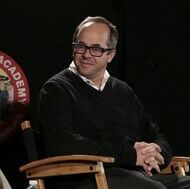
Nicholas Bogner
FAQs
Q: How do I watch my webinar live?
A: If you received a confirmation that your webinar is on Go to Webinar, you will receive an email from Go to Webinar with further instructions for participating in the live webinar. You can also access your webinar link in your purchase history located under settings in the top right-hand corner of your Stage 32 profile.
If you received a confirmation that your webinar is on Zoom, you will receive a separate email from Zoom with further instructions for participating in the live webinar. Your login link will not be in your Stage 32 profile. If you did not receive your link via Zoom please email support@stage32.com.
Q: How do I watch my webinar on demand?
A: You will be able to watch your webinar on demand as many times as you’d like inside your Stage 32 profile. The recording is processed and posted between 24-48 hours after the webinar concludes. You can follow the instructions below.
YOU MUST HAVE A STAGE 32 PROFILE TO WATCH YOUR VIDEO – STAGE 32 IS FREE TO JOIN
If You Already Have a Stage 32 Profile:
- Log into your Stage 32 profile
- Click "Settings" in the top right-hand corner (gear icon)
- Click "Purchase History"
- Choose this webinar and click the link to view
- Go to www.stage32.com
- Create a profile using the SAME email address you used to sign up for this webinar. The email addresses must match in order to watch the webinar.
- Once you have your profile set up, you can view the webinar by clicking "Settings" in the top right hand corner (gear icon)
- Click "Purchase History"
- Choose this webinar and click the link to view
Q: What is the format of a webinar?
A: Stage 32 Next Level Webinars are typically 90-minute educational broadcasts that take place online using a designated software program from Stage 32. Your webinar will be taught by a working industry professional with in-depth teaching on a topic. If you are able to attend live you will be able to ask your Stage 32 Educator questions during Q&A.
Q: What are the system requirements to watch my webinar live?
A: You will need to meet the following system requirements in order to run the webinar software: Windows 7 or later Mac OS X 10.9 (Mavericks) or later.
If you have Windows XP, Windows Vista and Mac OS X 10.9 (Mountain Lion): The webinar software does not support these operating systems. If you are running one of those operating systems, please upgrade now in order to be able to view a live webinar. Upgrade your Windows computer / Upgrade your Mac computer.
Q: What if I cannot attend the live webinar?
A: If you cannot attend a live webinar or purchase an on demand webinar, you will have access to the entire recorded broadcast, including the Q&A.
Q: Will I have access to the webinar afterward to re-watch?
A: Yes! Like all Stage 32 education, after the purchase of a live or on demand webinar, you will have on-demand access to the recording.
Q: How do I get a copy of the handouts provided?
A: If the webinar you take included handouts you can find them as downloads underneath your on demand video. You must be logged into your Stage 32 profile to view the video and get the handouts by clicking settings in the top right hand corner, then clicking purchase history.
Q: What if I need accessibility and accommodations?
A: Email support@stage32.com to request accommodations.
Thanks for your loyalty to Stage 32 Education. We value having you in the Stage 32 community.
If you have any further questions, we are always happy to help. Please contact Stage 32 support at support@stage32.com.
Relevant Tags
Share with friends:
Questions?
Other education that may be of interest to you:
The WR Pitch Tank with Nicholas Bogner.
Learn to be great at pitching in the Room. Writers pitch for 5 minutes (timed) and Nicholas and the Stage 32 team will break the pitch down and offer constructive, supportive feedback in order to graft your pitch to its best version. This is a safe environment, and all are welcome to join!

Robert Ogden Barnum - Today's Master Producers: Part 1
This is the 1st installment of the Stage 32 + Bondit Media Capital Masterclass featuring Matthew Helderman (CEO of Bondit Media Capital) and Robert Ogden Barnum (Co-Founder of Fortitude International and e2b Capital).

Avoid Theft: How To Legally Protect Your Script, Idea or Project
Learn From An Entertainment Attorney Whose Done Deals With ABC, NBC, HBO, Bravo and more! In an industry built on storytelling there’s nothing more valuable than ideas. A good idea or good story can take you far in Hollywood, but it also makes you vulnerable. From Avatar to Empire, hundreds of films and television shows have been faced with infringement and idea theft lawsuits over the years. While the film and television industry can be an exciting and supportive place, this is not always the case and it’s more common than it should be for writers’ ideas or stories to be stolen. Without the proper protection and forethought, this can leave creatives at risk. As the saying goes, it’s a jungle out there, and the risk of having your ideas stolen is unfortunately always a possibility, as is the possibility of being accused of doing this yourself. It’s important to always be vigilant and aware of these dangers. Yet this does not mean it’s open season on creators. Whether you’re concerned about having your idea stolen or facing lawsuits of your own, there are important steps you must take to ensure you and your intellectual property remain protected. There will always be a risk of being taken advantage of, but better understanding the dangers as well as how to protect and copyright your work will put you in a much safer and more secure position. Jaia Thomas is an entertainment attorney with over ten years of legal experience who has brokered deals with companies like ABC, NBC, HBO, and Bravo and has been quoted as a legal expert in such publications as The New York Times, USA Today and ESPN. Jaia regularly assists clients with transactional and intellectual property matters and counsels filmmakers and producers on all aspects of film financing, production and distribution. She also regularly assists content creators with federal copyright registration and licensing and has had several works published in the American Bar Association, National Bar Association and multiple law journals. Through her many years specializing in federal copyright registration and licensing, Jaia has become an expert on how creators can keep their projects safe, and is ready to share what she knows exclusively with the Stage 32 community. Drawing from her many years of legal experience successfully assisting filmmakers with transactional and intellectual property matters Jaia will provide you with all the legal tools necessary to protect any and every type of script and screenplay. She will begin by discussing copyright registration. She’ll explain how to register a script with the US copyright office and explain the legal advantages of doing this. She’ll also debunk common misconceptions such as the “Poor Man’s Copyright”. Next she will explain what goes into Writers Guild registration. She’ll outline how to register a script, idea or outline with the Guild and explain the legal advantages and disadvantages of doing so. She’ll also delve into the key distinctions between registering with the US Copyright Office and Writers Guild. Jaia will then go over idea protection and theft. She’ll teach you how to protect a television show or reality show in its idea form and will outline the legal requirements for filing an idea theft claim in New York and California. She’ll even go through a case study of the seminal idea theft court case Desny V. Wilder from 1956. Finally Jaia will provide you with additional precautionary measures you can take in protecting yourself, including mobile apps, digital watermarks, confidentiality agreements and non-disclosure agreements. Expect to leave knowing exactly how to protect your current and future ideas, scripts and projects. Praise for Jaia's Stage 32 Webinar: "Highly informative. Thank you Jaia Thomas!" -Patrick D. "Great webinar with invaluable tips and advice. Great presentation and presenter. Very pleased and satisfied." -Robert F

Release Windows & Strategy: VOD, SVOD, AVOD, Broadcast
In today's world of independent filmmaking, the VOD, SVOD & AVOD distribution strategy becomes a stronger option for many filmmakers. We've brought in 15 year executive Chad Miller who has worked with hundreds of filmmakers on their distribution strategy through his working relationship with platforms such as Amazon, Hulu, Netflix and iTunes to teach for Stage 32 Next Level Education. In this exclusive webinar, Chad will break down the very important topic of how to window the release of your film. Making sure that you are going to market during the most opportune time is key to a successful distribution strategy. Chad will give you an overview of VOD, SVOD & AVOD and explain the evolution of windowing strategies and why & when it makes sense to break with the traditional windowing strategies. He'll also go over the revenue expectations, deal strategy basics and give you a comprehensive look so you are prepared when it's time to release your film. PRAISE FOR CHAD'S TEACHINGS: "Thank you for a seminar packed with useful information to help us move forward with our projects and for giving us actionable items." - Susan S. "Chad was great. Thank him so very much!" - Bonnie D. "Great webinar, great speaker - lots of great detailed info and tips for getting into this world." - Ron H.

Top 5 Best Practices Before the Launch of Your Successful Digital Series (Web Series)
Internet TV is not “TV light”, in fact it’s not TV at all. It’s a completely different sandbox than TV and while many of the rules of the game are the same, there are distinctly different rules you must know before you break them. In this informative and entertaining seminar, Digital Strategist and Web Series Launch Expert, Brian Rodda outlines the Top 5 things to consider while in pre-production for your digital series. Items to be discussed are: Appropriate length and form specific to different video distribution platforms (Youtube vs. Vimeo vs. Netlfix, etc…) casting/working with a Digital Influencer, expanding your world with Ancillary Content, Marketing Budgets, securing social media real estate and so much more! To read the Television Academy's interview with Brian click here!

An Entertainment and Securities Lawyer Teaches You About Compliance & Securities Law + Receive Resources to Help You With Investors.
A New Exclusive Webinar! Learn from an entertainment attorney with U.S. Securities and Exchange Commission experience! PLUS, receive practical resources to help you decide how best to seek investors. You're ready to raise money for your film, and you’re excited about how to make it happen. But you’ve also heard something about the “federal securities laws.” What are those laws, exactly? How do they impact your ability to reach investors? And why do you need to know about them? When it comes to raising money, doing things right can help avoid serious problems down the line. Failure to comply with the securities laws can lead to government investigations, penalties, and in extreme cases, jail time. Moreover, your investors could automatically have the right to return their securities and get their money back. And of course, as one SEC official once put it, the securities laws are not merely a suggestion; they’re the law. In this exclusive Stage 32 webinar, you’ll find out what you and other independent filmmakers need to know about the securities laws. You’ll learn the essential elements, including how equity investments fit into your overall finance structure and how to tailor securities offerings for your film project. You’ll also receive practical resources to assist you in deciding your project's fundraising approach. Knowing and following these laws creates benefits for your project. Doing things right may help instill confidence in prospective investors. Plus, handling your offering correctly can help prevent possible disputes with investors, so you can keep your focus on your film. Taking you through this crucial process is Cathie Saadeh, a member of the Board of Directors of Women in Film & Video in D.C. and an entertainment attorney who provides business, production, and intellectual property legal advice to production companies, creative businesses, and independent filmmakers just like you. Prior to opening her law firm, Saadeh P.C., Cathie served as the General Counsel of ACA Compliance Group, a global financial technology and consulting company, and worked at the U.S. Securities and Exchange Commission. You’ll walk away with the investment offering process de-mystified, knowing the lingo and the lines you can’t cross, and armed with this essential knowledge so you can think creatively about how to raise money, how to protect yourself and your film, and feeling more confident when approaching investors.
 Register / Log In
