Stage 32 5-Part Private Pitching Lab: How to Master Your 5 Minute Pitch (February 2024)




Other education that may be of interest to you:

Breaking Down the Pilot Script: Emmy-Winner Succession
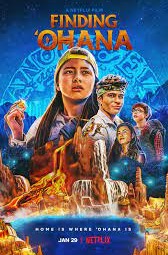
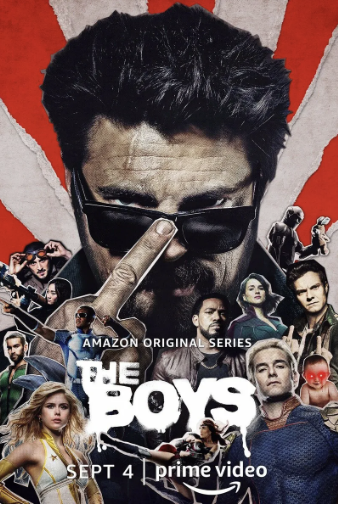
This script breakdown has a 100% satisfaction rating! The hit HBO show SUCCESSION has shattered Emmy history with a record-breaking 27 nominations for the 2023 Emmy Awards alone! Add that to the 13 Primetime Emmy Awards they've already won, as well as the dozens more nominations over its 4 seasons, it is safe to say that SUCCESSION is one of the greatest shows of all time. As a creative, it's important for you to understand WHY it's so successful. In an exclusive Stage 32 Script Breakdown Webcast the Vice President of Production for Ian Bryce, Will McCance, will break down the first episode of the Emmy award-winning series SUCCESSION using excerpts from the pilot episode. Will McCance is currently Vice President of Production for Ian Bryce, producer of blockbusters like SAVING PRIVATE RYAN, ALMOST FAMOUS, the TRANSFORMERS franchise, and most recently Michael Bay's SIX UNDERGROUND and FINDING 'OHANA for Netflix. Will has worked on hit television shows including THE BOYS and I KNOW WHAT YOU DID LAST SUMMER for Amazon, PREACHER for AMC SWAT for CBS and MAX TILT for HBO Max. During this FREE Stage 32 Next Level Webcast Will will take you through the SUCCESSION pilot as he examines the main story engine introduction and themes, how character arc intros and drama is teed-up for the season, managing the script's pacing in an ensemble cast and exploring it's tonal elements, and much more! Plus, everyone who registers for the webinar will receive a copy of the pilot script of SUCCESSION to study after the webinar is over!
Learn How to Better Pitch Your Ideas: Go from Storyteller to Storyseller
Learn how to pitch your work so you can build a profitable career in film and television with the Vice President of the company behind Finding Ohana (Netflix), Saving Private Ryan, Transformers: The Last Knight, Almost Famous, The Boys (Amazon), Preacher (AMC), and more! Do you ever feel like your great ideas go unnoticed by producers, directors, agents, and managers alike, and that you don’t get the shot you're looking for as a result? This isn’t because these decision makers don’t care; it’s because you may not have pitched or sold your ideas the right way. The reality is, successful screenwriters are as much storysellers as they are storytellers. Whether you like it or not, your primary goal as a writer must be to stand out in a sea of competing projects. The bottom line: Whether you're a screenwriter, filmmaker, producer, or any creative or industry professional looking to gain representation, sell their material, attract talent, raise financing, or simply looking to find work, you will have to pitch. Further, you will be in competition with others pitching as well. You've put so much time and effort into your work and building your reputation, you don't want to have it all undermined with a terrible pitch. And the truth of the matter is that most people that pitch make the same fatal mistakes over and over. They don't know how to tell a concise, riveting story. They don't know what to put in, what to leave out, and what elements really and truly sell someone on their story. This webinar will give you insight and tools to pitch better and get ahead of the pack. Will McCance is the Vice President of Production for Ian Bryce, producer of blockbusters like SAVING PRIVATE RYAN, ALMOST FAMOUS, the TRANSFORMERS franchise, and most recently Michael Bay's SIX UNDERGROUND for Netflix. At Ian Bryce Productions, Will oversees the company's entire development slate. Before working with Ian Bryce, Will worked in development at Original Film's TV department, working on hit shows such as THE BOYS (Amazon) and PREACHER (AMC), as well as on SWAT (CBS) and HAPPY! (Syfy). Independently, Will has produced films such as the upcoming LOLA JAMES, starring Nicola Peltz and Oscar-Nominee Virginia Madsen, BERNARD AND HUEY, starring Jim Rash, David Koechner, and Mae Whitman, as well as Belarus's 2018 Oscar selection for Best Foreign Film, CRYSTAL SWAN, along with Vice. Through his years working as an executive, Will has deep experience with working with writers and choosing to work with them or not based on their pitch, and is prepared to share what he’s learned with the Stage 32 community. In this exclusive on-demand Stage 32 webinar, Will will equip you with all the tools you'll need to elevate your next script to the top of the reading stack. He will discuss the various techniques of pitching, from finding the right words and unique style, to understanding which type of pitch to use and when. He will also analyze sample TV and feature film pitches and break down the hidden power of the perfectly-worded logline. He will teach you tactics, strategies, and even books that will make you a stronger storyseller, and in turn, a stronger storyteller. Will will even deliver a pitch of his own to use as an example and will share other film and TV pitches to analyze what works and what doesn’t. Through Will’s presentation, you will not only learn how to better understand and explain your story, but to also instill a newfound sense of confidence that you can take with you to your next meeting or pitch session. PRAISE FROM WILL'S PREVIOUS STAGE 32 TEACHING: "I would not have been able to advance in my writing career without Will McCance and the pitching lab. I highly recommend Will as an instructor and the pitching lab itself for Stage 32 writers. Thank you." -- Sean M. "Will's credentials speak for themself. He is an incredibly knowledgable executive with the passion to help writers get their projects moving forward. Thank you for all your help on my pitching for my feature!" -- Morgan M. "Will has been hands down the best teacher for pitching I've ever had!" -- Chase R.

Producing Projects in the New Normal with Oscar-Nominated Producer Chris Moore & Stage 32 CEO Richard "RB" Botto
The world is changing quickly and the phrase “new normal” is being bandied about with abandon. Even though filming is limited (at best), development continues to move forward and that means producers are busier than ever. In the entertainment industry, scripts continue to be optioned, projects continue to get developed, talent continues to find representation, and production is slowly starting to resume in LA and more so all over the world. So what does producing look like in this "new normal"? It’s definitely time for a check-in. So let's delve into the state of the industry today with Oscar-nominated producer Chris Moore and our fearless leader, and fellow producer, Richard "RB" Botto. Chris Moore has done and seen it all. During a career spanning over 30 years, Chris has produced films that have had multiple Oscar nominations and wins such as Good Will Hunting and Manchester by the Sea, to studio blockbusters like American Pie andThe Adjustment Bureau, to independent darlings such as Waiting, to creating and starring in the critically acclaimed industry television shows Project Greenlight alongside Matt Damon and Ben Affleck and The Chair. One of the secrets of Chris' longevity in the business is a full understanding of the business. He's as plugged in as they come and he knows how to adjust quickly, swiftly, and successfully as the landscape changes - which seems to happen on a daily basis these days. Most importantly, Chris is known in the industry as a take-no-prisoners, no bullshit guy. He tells it like it is and pulls no punches, which, in this business, is welcome and refreshing. Richard “RB” Botto is a producer whose films have played at dozens of festivals including the Sundance award-winning feature, Another Happy Day, starring Ellen Barkin, Demi Moore and Kate Bosworth, written & directed by Euphoria creator Sam Levinson, What Lies Ahead, starring Rumer Willis & Emma Dumont, the documentary Crutch and the upcoming Rain-Beau’s End starring Ed Asner and Sean Young. He is the Executive Producer on Vagic with Amy Baer at Gidden Media and My Clone’s an A-Hole with National Lampoon. He is also in active production on 3 more projects in various mediums. RB is also the Founder and CEO of Stage 32 (stage32.com). Stage 32 is the world’s largest online platform connecting and educating film, TV & digital creatives and executives worldwide. Through Stage 32 he has helped incubate Chick Fight, starring Malin Akerman and Alec Baldwin, produced by Yale Productions and Ramo Law, and 10-31, produced by Eli Roth and Orion Pictures. Additionally, RB’s book Crowdsourcing For Filmmakers: Indie Film and the Power of the Crowd, was published by Focal Press/Routledge under the American Film Market Presents banner and quickly became one of their best-selling titles. The paperback, kindle edition and audiobook have all hit #1 in 6 different film and business related categories on Amazon and Audible and the title has received over 100 5-star reviews across all platforms. In another FREE Stage 32 COVID-19 webinar, Chris and RB team up for an exclusive Q&A session where they’ll answer questions from the Stage 32 community about the state of the industry today and where they believe things are headed. Bring your questions about the craft and business. If you know anything about Chris and RB, you know you're in for a candid, no bullshit, straight through the heart conversation!

How to Put Together a Perfect Film Investor Pitch Deck
Your pitch deck is the most important tool in your initial stage of obtaining financing for your script. A pitch deck is also used as an aid to attaching an actor or director you are interested in. As a tool, your deck is the first impression of your film condensed so the investor can become familiar with your project and determine if this is an opportunity for them. To close the deal or at least garner meaningful consideration and interest, your pitch deck has to stand out. It has to not only tell the story of your project, why it should be attractive to talent, and what the true potential audience may be, but, most importantly, it needs to show a true and realistic path to profitability. And this is where so many decks fail. Sure, you want to paint a rosy picture with your investor pitch deck. But here's the thing, most investors who have put money into films before know BS from reality. They will know if you are overshooting your estimates (an extremely common tactic), whether your film comps are ridiculous (they almost always are) and if you're exaggerating who your potential audience will be (nearly always the case). A great investor pitch deck is filled with equal parts optimism and reality. Sure, every investor wants to dream of unbelievable riches and success, but what truly makes them open their wallets is believing in the team, the project, and being presented a realistic worldview as to the potential return on their investment. Michelle Alexandria knows a thing or two about raising money. As a producer and Head of International Sales and Acquisitions for Glasshouse Distribution, Michelle has raised or assisted in raising funds for dozens of films and other projects. She has personally worked on 25 feature films $6MM and under and 3 television projects in various capacities including producing, line producing and executive producing. Michelle has spoken on the topic of raising financing at the Cannes Producers Network and other prominent film festivals and markets including MipCom, Berlin, Buenos Aires, UniFrance, Sundance, and AFM. Michelle will teach you how to create an investor pitch deck that doesn't have that same dusty feeling of so many decks and which fits the current climate of raising funds. She will show you what elements truly matter for an investor and which you can leave out of your deck entirely. She will discuss the value (or lack thereof) of artwork and posters. Additionally, she'll dive into loglines and synopsis to assure that you are giving your potential investors the true vision of the project. She will teach you how to put together a realistic cast list and film comps. She will discuss budgets, scheduling and how to incorporate those elements into your deck. She will talk to you about putting together the right team and how those team members can send the right or wrong signal. Michelle's knowledge is extensive and her advice actionable, and now she's here to deliver the goods exclusively in this Stage 32 on-demand webinar. As an added bonus, Michelle will share examples of pitches decks that have helped secure millions in financing! PRAISE FOR MICHELLE'S TEACHINGS: "Clear, concise, and brilliant." - Mario D. "No BS, straight to the point information. Loved every second." - Patricia H. "I have a deck for my film. It's going in the garbage. I will be starting over tomorrow with this wealth of information flowing in my head. Remarkable job, Michelle!" - Phil M. "Sure, everyone wants Leo or George in their films. Sure, everyone thinks their film is the next My Big Fat Greek Wedding or some other independent blockbuster. Sure, everyone believes that they have THE idea that is going to get them the money. Michelle just gave me the map as to HOW to get the money by being REAL. I can't wait to get started and to bounce ideas off my team. This was so much fun. Thank you!" - Denise P.

Understanding Film Noir and Applying the Art of Subtext in Your Script
Subtext in your dialogue and in your story can be the difference between a studio picking up your script or passing on it. Subtext adds layers to your story and depth to your characters. Mastering the art of subtext is not only preferable for writers, it is absolutely essential. The writers and creators of Film Noir were experts at the use of subtext because, due to the restrictions of the Production Code, their films could not have been made without it. The makers of Film Noir mastered the art of not saying what you’re trying to say, and saying it in a way that sounds like you’re saying something completely different. That subtext allowed the audience to fill in the blanks and become more active participants in the story, and that is why subtext is so important. It gets your audience more involved in the story. Film Noir and the Art of Subtext will show you how to apply the use of subtext in your own scripts in order to add that depth, further engage the audience and take your script to the next level by using examples from some of the great films of that style. After reading well over 1,000 screenplays over the course of my career, from both professionals and amateurs, I can tell you that I can recognize good subtext. Also, as someone who has been a professional reader, I can show you through a reader’s eyes where subtext is needed, and how subtext can be used to prevent you and your script from getting the dreaded PASS on coverage notes.

So You Want To Be A TV Writer? An Inside Look - Part 2
Part 2 you're not going to want to miss! Ever wondered what daily life is like for a TV Writer? Looking for ways to manage and maximize your schedule to output great, useful material without losing your mind? Wondering how the hell you’re supposed to write when you’ve got a full-time job? Tune in for this exclusive 2-Part Stage 32 Next Level Webinar taught by TV Writer/Producer Charlie Charbonneau (CW shows: The Secret Circle, The Vampire Diaries, and its spin-off The Originals) to hear about life and work of TV writers, on AND off the clock. You'll gain insight that will help you succeed in finding your next assignment and how to excel in the position. In Part 2 the followup to So You Want To Be A TV Writer? An Inside Look - Part 1, Charlie will unpack all the ups, downs, problems, and pleasures that come in the daily life of a working TV writer. Hear insider advice and information about writers room etiquette, climbing the title ladder, taking notes, rolling with the punches when your material doesn’t impress the powers that be, and making sure you get paid. He’ll even discuss the best way to interact with those hot-shot actors in your show. As usual, get ready for some horror stories from the trenches! PRAISE FOR CHARLIE'S TEACHINGS: "The pitching webinar was fantastic. Every I was dotted every T crossed. It helped me to really understand the process than to be afraid of it. I still have lots more work and practicing to do, but it was great. Thank you." - Mindy G "Very informative!" - Carisia S. "I liked his down to Earth manner." - Margo T. "Great real life examples - much appreciated!" - Paul B. "Charlie put a lot of heart in his presentation... that's everything!" - Matthew R.
 Register / Log In
